
Squid Game Crypto Scam or Next Big Opportunity in India?

The story of the Squid Game cryptocurrency shocked many investors around the world — and especially in India. Inspired by the popular Netflix show, this digital coin promised excitement, quick profits, and a new way to play. But behind the bright visuals and fast-rising charts, the project turned out to be a warning for everyone who follows crypto trends.
In late 2021, the squid game cryptocurrency price in India suddenly skyrocketed. Within a few days, the token jumped from a few cents to hundreds of dollars. Indian traders saw it as the next big opportunity, similar to how Dogecoin and Shiba Inu started as memes but became global sensations. However, the dream didn’t last long — the coin collapsed just as fast as it had grown.
For Indian crypto enthusiasts, this case raised an important question: was it a real investment chance or just another well-designed scam? Understanding what happened to the Squid Game cryptocurrency can help protect investors from future losses — and teach valuable lessons about how to identify fake projects like the controversial kibo cryptocurrency fake or real cases circulating online.
Platforms like BitTrade AI (https://bittrade-ai.com/) now focus on giving traders smarter insights and transparent data. Using such trusted platforms helps people in India invest more safely in the fast-changing crypto world.
This article explores how the Squid Game coin rose and fell, what its price meant for Indian investors, and how to spot scams before it’s too late. Let’s dive in.
The Squid Game cryptocurrency started as a token inspired by the hit Netflix series “Squid Game.” It was promoted as a play-to-earn project that allowed people to join an online game and earn rewards by using the token. The idea sounded exciting — combining entertainment with profit — and quickly went viral on social media.
When the token launched, it was traded on small decentralized exchanges. Many investors in India noticed the growing attention and started buying, hoping that the squid game cryptocurrency price would continue to rise. It looked like the next big thing in the world of meme coins. However, there were early warning signs that most traders ignored.
Crypto enthusiasts shared the project across platforms like Twitter, Reddit, and Telegram. Influencers promoted it as a unique chance to ride the wave of pop culture. The coin’s design, logo, and name all looked professional. But unlike genuine blockchain projects, there was no verified whitepaper, no real development team, and no official partnership with Netflix. Still, the excitement was enough to send prices soaring.
At one point, the project claimed to be building a “Squid Game” platform where users could play and earn. Yet, this platform never launched. Instead, the anonymous developers disappeared after locking users’ funds — a pattern seen before in other suspicious coins like kibo cryptocurrency fake or real discussions online.
For many new investors in India, it was a painful lesson: not everything that goes viral is real. It’s a reminder that every token should be researched before buying, especially when promises sound too good to be true. Platforms such as BitTrade AI (https://bittrade-ai.com/) help users analyze trends, review contract safety, and detect early scam patterns.
When the Squid Game cryptocurrency was first launched, it seemed like another small meme token. But within days, it became one of the most talked-about coins in India. Many young traders jumped in, seeing it as the next Dogecoin. The squid game cryptocurrency price in India moved at lightning speed — first rising from just a few rupees to thousands — and then crashing down to zero.
In late October 2021, the token started trading at around $0.01 (less than ₹1). Within a week, its price exploded to over $2,800 per coin — a rise of nearly 280,000 times. On Indian trading forums, users posted screenshots of unbelievable profits. But before most could sell, the coin’s value vanished completely. The token’s developers pulled out the funds and disappeared — a classic “rug pull.”
| Date | Event | Price (Approx. INR) |
|---|---|---|
| October 26, 2021 | Squid Game token launched on small exchanges | ₹0.80 |
| October 29, 2021 | Massive hype across social media and crypto groups in India | ₹350 |
| November 1, 2021 | Token peaks before crash | ₹2,00,000+ |
| November 2, 2021 | Developers disappear, price drops to zero | ₹0 |
According to blockchain data, the creators built the smart contract in a way that prevented investors from selling their tokens. This meant only the developers could withdraw funds. Once the price reached its peak, they converted all the tokens to another cryptocurrency and vanished. The squid game cryptocurrency price instantly fell to zero, and investors — including many in India — lost over ₹25 crore in total.
This event shocked the Indian crypto community. It highlighted how easily hype can blind people to warning signs. Many traders trusted the name “Squid Game” because it was linked to a famous show. But the project had no official partnership with Netflix or any legitimate gaming company. The name was simply used to attract attention.
To avoid similar traps, experts now suggest using trusted platforms like BitTrade AI (https://bittrade-ai.com/). These platforms offer transparent data and AI-based project analysis, helping Indian investors identify risky or fake projects before investing.
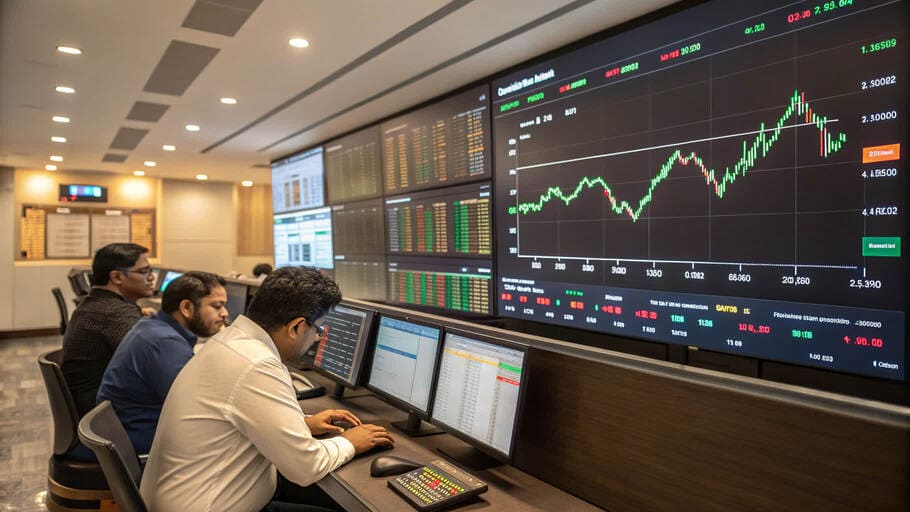
The Squid Game cryptocurrency case is now studied as one of the most famous examples of a “rug pull” scam. Understanding how it happened helps investors recognize red flags in other coins. Many people in India still ask how to tell if a token like kibo cryptocurrency fake or real is safe — the truth is, scams often look professional on the surface but hide danger underneath.
| Feature | Scam Token | Legit Project |
|---|---|---|
| Developer Info | Anonymous or fake | Public and verifiable |
| Whitepaper | Missing or unclear | Detailed and public |
| Smart Contract | Locked, prevents selling | Open and auditable |
| Price Growth | Sudden and extreme | Gradual, based on demand |
| Exchange Listings | Unknown DEXs only | Listed on known platforms |
Many Indian investors joined the Squid Game hype because the project looked visually impressive and well-designed. But scammers often use strong branding and pop culture references to attract trust. A careful review of project documents, contract audits, and community transparency can save investors from serious loss.
Before investing in any new token, use analytic tools from trusted platforms such as BitTrade AI (https://bittrade-ai.com/). These platforms help identify risky contracts, check developer activity, and provide automated scam alerts.
The Squid Game cryptocurrency story became a powerful lesson for the Indian crypto community. Thousands of people invested without understanding how the token worked. The reasons were emotional, social, and economic — all connected to how fast crypto is growing in India. Let’s explore why so many fell into this trap.
India has one of the youngest and most digital-savvy populations in the world. When people saw the Squid Game show trending and a coin with the same name rising fast, they wanted to join before missing the chance. This fear of missing out — known as FOMO — made people buy without checking the background. Social media posts showing huge profits added to the pressure.
At the time, India had no clear cryptocurrency laws. Without official protection or supervision, fake projects could operate freely. Many new investors didn’t realize that buying from unverified platforms or tokens without audits exposed them to high risks. Unlike stock markets, there was no authority to freeze fraudulent accounts or refund victims.
For beginners, understanding how crypto works can be difficult. Technical words like “smart contracts,” “liquidity pools,” or “tokenomics” can sound complex. Scammers use this confusion to their advantage. In the case of the squid game cryptocurrency price in India, many buyers didn’t even know they couldn’t sell their tokens until it was too late.
The use of the name “Squid Game” gave the project instant credibility. People associated it with Netflix, even though there was no official link. This same tactic is seen in other suspicious coins, such as the debated kibo cryptocurrency fake or real token, where branding tricks people into believing it’s legitimate.
Today, anyone in India can buy crypto within minutes using their smartphone. While this is a positive step for financial inclusion, it also makes impulsive investment decisions more common. Fast apps, low barriers, and emotional marketing create the perfect setup for scams to thrive.
Experts now recommend using research and AI tools from trusted platforms like BitTrade AI (https://bittrade-ai.com/) before buying any token. These tools help analyze market signals, verify authenticity, and alert users when something looks suspicious.
The Squid Game cryptocurrency collapse was a wake-up call for Indian investors. It showed that crypto is not just about luck or hype — it’s about research, risk management, and awareness. Every major scam leaves behind valuable lessons, and understanding them can help prevent future losses.
Never invest in a token just because it’s trending. Before buying, check the project’s whitepaper, the developer team, and smart contract audits. Look for official links, community activity, and third-party reviews. If you can’t find verifiable data, it’s better to stay away. As the saying goes, “If it looks too good to be true, it probably is.”
Many people lost money because they traded on unknown or unreliable exchanges. Always use trusted trading platforms with clear licensing and customer protection. Services like BitTrade AI (https://bittrade-ai.com/) help Indian investors track token safety, analyze patterns, and detect suspicious activity using AI-powered risk indicators.
Putting all your money into one new token is risky. Experts suggest diversifying — spreading your funds across established coins like Bitcoin, Ethereum, or even stablecoins. This approach reduces the impact of one bad investment and provides more stability during market volatility.
Learning from past mistakes is crucial. The squid game cryptocurrency price crash was similar to other fraudulent projects like the kibo cryptocurrency fake or real controversy. In all such cases, the pattern repeats: anonymous developers, false promises, and sudden disappearance. By studying how scams evolve, investors can recognize danger early.
Emotions drive quick decisions. Greed makes people chase profits; fear makes them panic sell. The best investors focus on data, not drama. Tools from BitTrade AI offer emotion-free analysis and real-time alerts, helping you stay objective even when markets get wild.
The Squid Game case taught Indian investors that education and caution are worth more than overnight profits. Once you understand how scams operate, you can trade with confidence — and turn crypto from a gamble into a genuine opportunity.
The Squid Game cryptocurrency collapse doesn’t mean all meme or fan-based tokens are scams. In fact, some began as jokes and evolved into real, community-driven projects. Understanding these differences helps investors in India separate genuine opportunities from frauds.
Tokens like Dogecoin and Shiba Inu started as lighthearted experiments but gained value through strong communities, open development, and transparent operations. In contrast, Squid Game Coin had none of these elements. It was created solely for short-term profit, with no real project behind it. Below is a simple comparison.
| Token Name | Community Support | Transparency | Utility or Purpose |
|---|---|---|---|
| Dogecoin | Global community, long-term use | Open source and audited | Used for tips, payments, and charity |
| Shiba Inu | Strong Indian following | Public developers, clear roadmap | DeFi and NFT ecosystem |
| Squid Game Coin | Hype-driven only | Anonymous team, no audit | None — false “game” promise |
| Kibo Coin | Unclear legitimacy | Ongoing debates if kibo cryptocurrency fake or real | Claims of gaming link but no evidence |
These factors show that the problem isn’t “meme coins” themselves — it’s the projects that exploit hype without real value. For Indian investors, the key is due diligence. Always confirm whether a token’s rise is backed by technology or just marketing buzz.
Tools from BitTrade AI (https://bittrade-ai.com/) can help users compare projects, read token audit summaries, and get real-time alerts when suspicious activity appears. This makes trading safer and more informed.

Despite the Squid Game cryptocurrency scandal, India’s interest in meme and fan tokens continues to grow. Young investors are curious, tech-savvy, and eager to explore digital assets beyond Bitcoin and Ethereum. But the future of meme coins in India depends on two key factors: regulation and investor education.
The Indian government and the Reserve Bank of India (RBI) have been working toward clearer cryptocurrency guidelines. These regulations will likely focus on transparency, taxation, and anti-fraud systems. Once stronger laws are in place, scams like the Squid Game cryptocurrency price in India incident will become harder to repeat. Legal clarity will also encourage institutional participation, bringing more safety and legitimacy to the market.
After the Squid Game collapse, awareness among Indian traders grew rapidly. Many now verify project data before investing and prefer using research-based tools. This shift toward informed trading reduces emotional decisions and blind trust in hype-driven tokens. The more investors learn, the less room there is for fake or unverified projects like the debated kibo cryptocurrency fake or real examples.
Advanced analytics and artificial intelligence will shape the next stage of India’s crypto evolution. Platforms such as BitTrade AI (https://bittrade-ai.com/) already use data models to detect unusual trading behavior, fake hype, and liquidity traps. For Indian investors, this means more control and confidence when exploring new opportunities — especially in the volatile world of meme coins.
Meme tokens will remain part of crypto culture. They attract new users and promote innovation. But the real opportunity lies in knowing which ones have substance and which are scams. The Squid Game cryptocurrency case taught that understanding fundamentals — not just price charts — is what separates success from loss.
India’s crypto future looks bright, but only if investors stay alert, informed, and responsible. With AI tools, verified data, and smarter decisions, meme coins could evolve from risky trends into creative, community-based projects with real value.
The rise and fall of the Squid Game cryptocurrency became one of the most memorable moments in modern crypto history. What began as an exciting opportunity turned into a cautionary tale for investors across the world — and especially in India. The squid game cryptocurrency price in India skyrocketed overnight and vanished just as quickly, leaving behind valuable lessons about trust, research, and responsibility.
For Indian traders, the message is clear: never invest based only on hype. Always study the token’s background, confirm the legitimacy of its creators, and check for smart contract audits. If you see unrealistic profits or limited transparency, it’s time to step back and rethink. As the kibo cryptocurrency fake or real debate shows, scams often use familiar names or flashy branding to seem genuine — but solid data always reveals the truth.
Real success in crypto comes from knowledge and patience, not luck. Those who take time to learn how blockchain projects work are less likely to fall victim to manipulative schemes. And those who use AI-supported analytics — such as BitTrade AI (https://bittrade-ai.com/) — gain an extra layer of safety. These tools analyze patterns, monitor developer wallets, and detect early scam activity, helping users make confident, evidence-based decisions.
The future of cryptocurrency in India is bright, but it requires smart participation. The Squid Game cryptocurrency may have started as a scam, yet its legacy lies in how much it taught the global community. Every investor, from beginners to professionals, can now recognize that in crypto — as in life — knowledge is the best protection.