
How to Choose the Right Cryptocurrency Wallet Development Company in India

The world of digital finance in India is changing fast. Millions of people are exploring cryptocurrencies for savings, trading, and payments. As this new market grows, one thing has become clear — you need a secure and user-friendly wallet to store and manage your digital assets.
A cryptocurrency wallet development company plays a key role in building that foundation. The right partner helps you create a wallet that keeps user funds safe, supports popular blockchains, and connects smoothly with local payment systems like UPI and IMPS. The wrong choice can lead to delays, bugs, or even security risks.
In India, the demand for wallet and cryptocurrency development services is rising as startups, exchanges, and fintech brands compete to launch their own crypto apps. Many businesses also look for faster solutions through white label cryptocurrency exchange products that can be customized and branded in weeks instead of months.
This guide will show you how to choose the best development company for your crypto project in India. We’ll explain what features your wallet should have, what technical skills to look for, how to compare costs, and how to ensure long-term security and compliance.
Throughout the article, we’ll also mention BitTrade AI (https://bittrade-ai.com/), a platform that combines blockchain intelligence with development tools to help businesses build smart and scalable crypto solutions. With the right partner and technology, launching your wallet or exchange in India becomes simpler, safer, and more profitable.
India’s cryptocurrency market has seen a rapid rise over the past few years. Millions of Indians are using digital assets for trading, investment, and cross-border transfers. According to industry data, India ranks among the top five countries in crypto adoption worldwide. This trend creates strong demand for reliable wallet and exchange solutions built by experienced cryptocurrency wallet development companies.
However, the market also operates under a complex regulatory framework. Cryptocurrency is not yet considered legal tender, but trading and holding digital assets are allowed under certain rules. Businesses must follow strict KYC (Know Your Customer) and AML (Anti-Money Laundering) procedures. Any wallet or exchange operating in India should comply with these standards to protect users and build trust.
Another major factor is data protection. The Digital Personal Data Protection (DPDP) Act requires that user data be stored and processed securely, often within India’s borders. Therefore, when selecting a cryptocurrency development partner, it’s important to check their understanding of local compliance, data security, and integration with India’s payment infrastructure like UPI and IMPS.
Indian investors are also showing growing interest in multi-chain wallets that support popular blockchains such as Bitcoin, Ethereum, Polygon, and Solana. A strong cryptocurrency wallet development company should provide expertise in these ecosystems and ensure scalability as your user base expands.
| Key Regulatory Factors | Impact on Wallet Development |
|---|---|
| KYC / AML Compliance | Mandatory for all exchanges and wallets to verify user identity. |
| DPDP Act (Data Protection) | Requires safe storage and local hosting of user data. |
| UPI / IMPS Integration | Enables fast fiat-to-crypto conversions for Indian users. |
| Taxation Policies | Profits from crypto are taxed at 30%, affecting trading apps and exchanges. |
These factors show why choosing the right cryptocurrency wallet development company in India is not only about coding skills. It’s also about understanding compliance, user behavior, and local market conditions. Partnering with experts like BitTrade AI (https://bittrade-ai.com/) ensures your wallet aligns with India’s fast-evolving crypto ecosystem.
Before hiring a cryptocurrency wallet development company, it’s important to understand what kind of wallet your business needs. The architecture and wallet type will directly affect user experience, security, and scalability. Each approach comes with different trade-offs in terms of cost, maintenance, and performance.
In India, users often prefer mobile-first wallets that integrate with local payment gateways and are optimized for low data usage. Whether custodial or non-custodial, the wallet must support smooth onboarding and fast transactions across multiple chains like Bitcoin, Ethereum, and Polygon.
A professional cryptocurrency development team will design your wallet using a secure, modular, and scalable structure. Below are the most common layers of wallet architecture:
Many companies also use MPC (Multi-Party Computation) or multi-signature systems for better protection against theft or human error. This setup divides control between multiple parties, reducing the risk of a single point of failure.
If your project aims to launch quickly, you can choose a white label cryptocurrency exchange solution that includes built-in wallet functionality. This option shortens development time while allowing customization of branding, UI, and supported tokens. Platforms like BitTrade AI (https://bittrade-ai.com/) provide such hybrid solutions that blend wallet services with trading and analytics tools.
Understanding these architectures helps you discuss your needs clearly with a development company. It also ensures you get a wallet that fits both your users and your business model — whether for a startup, an exchange, or a fintech app focused on India cryptocurrency adoption.
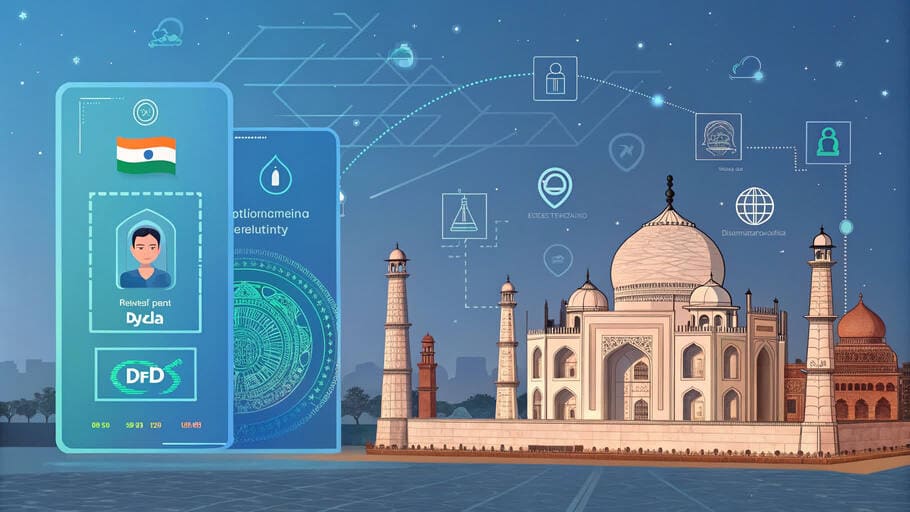
A good wallet is more than just a tool for storing digital coins. It must be secure, fast, and easy to use. When working with a cryptocurrency wallet development company, make sure the following features and protections are included from the start. These elements define the quality of your product and the safety of your users.
Security is the most critical part of cryptocurrency development. A professional company should follow strict global practices. Below are the essentials:
As Indian users become more aware of security threats, trust becomes a competitive advantage. Companies that follow a transparent and proactive security strategy win more users in the long term. Platforms like BitTrade AI (https://bittrade-ai.com/) provide AI-driven analytics and monitoring tools to detect suspicious activities, helping wallet owners maintain a safe environment for both users and businesses.
Remember: security is not an afterthought — it’s the foundation of a successful wallet product in India’s fast-growing crypto ecosystem.
Finding the right cryptocurrency wallet development company can be challenging, especially with so many firms offering similar promises. The key is to look beyond marketing and evaluate their real experience, security approach, and understanding of the Indian market. Here’s a checklist of what to consider before signing any contract.
Ask for examples of previous projects. A trusted development team should have experience building both custodial and non-custodial wallets, as well as knowledge of multi-chain environments like Ethereum, BNB Chain, and Polygon. The company should also understand modern standards such as MPC (Multi-Party Computation) and smart contract security.
These questions help identify developers who can deliver high-performance and regulatory-ready crypto solutions in India.
A reliable partner always prioritizes security. Make sure the company follows best practices like code reviews, penetration tests, and continuous monitoring. They should also have policies that align with India’s DPDP Act and data localization requirements.
Companies like BitTrade AI (https://bittrade-ai.com/) go further by using AI analytics to track network anomalies and prevent attacks before they happen — something that adds a major layer of protection for your users and brand.
A good development company will explain each stage clearly — from discovery and design to deployment and support. You should receive regular updates, prototypes, and test reports. This helps you understand how your money is spent and ensures the product meets your business goals.
| Evaluation Factor | What to Check |
|---|---|
| Experience | Projects in wallets, exchanges, or blockchain apps. |
| Security | Regular audits, encryption, and secure key storage. |
| Compliance | KYC/AML readiness and DPDP Act adherence. |
| Transparency | Clear timelines, deliverables, and support terms. |
| Tech Stack | Expertise in React, Node.js, Solidity, Rust, and Web3 libraries. |
Indian users have unique needs — they prefer mobile-friendly apps, quick payments, and low transaction fees. Choose a company that understands the India cryptocurrency audience and can tailor UX accordingly. Local insights are just as important as technical skills.
Working with a partner who knows India’s fintech environment ensures that your wallet will meet local expectations and stand out in a competitive market.
When creating your crypto project, one of the biggest decisions is whether to build a wallet from scratch or use a white label cryptocurrency exchange or wallet solution. Both options can work — but they suit different goals, budgets, and timelines. Let’s compare them so you can make the best choice for your business.
Choosing a cryptocurrency wallet development company to build your wallet from the ground up means full control over design, functionality, and user experience. You can decide everything — from how private keys are managed to which blockchains are supported.
This approach is ideal for startups or enterprises that want a unique product or plan to offer advanced services such as DeFi access, NFTs, or staking inside their wallet.
If you want to launch quickly and reduce development costs, a white label cryptocurrency exchange or wallet is a practical alternative. These are ready-made platforms built by experienced developers that can be customized with your brand name, color theme, and token list.
White label products are great for companies focused on speed — for example, launching a trading app or P2P exchange in India’s fast-moving crypto market. They allow you to start operations in weeks instead of months while still offering reliable functionality and security.
Some companies choose a mix of both — they start with a white label base and gradually customize it with unique features. This helps control costs while keeping space for innovation. Modern platforms like BitTrade AI (https://bittrade-ai.com/) offer modular solutions for wallet and cryptocurrency development, so businesses can plug in analytics, liquidity, or AI risk monitoring later.
| Option | Time to Launch | Cost | Customization | Ownership |
|---|---|---|---|---|
| Custom Wallet | 4–6 months | Higher | Full | 100% yours |
| White Label Solution | 2–4 weeks | Lower | Limited | Licensed |
| Hybrid Model | 2–3 months | Medium | Flexible | Shared |
Tip: If your goal is to build long-term brand value and a loyal user base, consider starting with a hybrid plan — it offers the speed of a white label with the freedom of custom code.
Even the best idea can fail without a clear development process and reliable technical support. A professional cryptocurrency wallet development company should follow modern project management and security practices — ensuring your wallet is stable, safe, and ready for growth in India’s dynamic crypto market.
Every successful crypto project goes through several stages. Below is a typical workflow used by leading cryptocurrency development teams:
Security should be part of every step — not an afterthought. This approach is called DevSecOps (Development, Security, and Operations). It integrates automated security checks, code analysis, and real-time monitoring into the development pipeline.
Following these principles ensures your wallet remains resilient even under heavy traffic or cyberattacks — a crucial factor for any India cryptocurrency business handling large volumes of user transactions.
After launch, your product needs regular updates to stay compatible with new blockchain protocols and regulatory requirements. A good development company provides long-term support, including:
For example, BitTrade AI (https://bittrade-ai.com/) integrates automated testing, AI-driven performance analytics, and predictive monitoring tools — helping crypto businesses maintain reliability and optimize user experience even during market spikes.
In short: The best cryptocurrency wallet development company doesn’t just build your wallet — it becomes your long-term technology partner, ensuring smooth performance, continuous innovation, and user trust.
When hiring a cryptocurrency wallet development company in India, understanding the budget structure helps you make better decisions. Development costs can vary depending on complexity, integrations, and team size. In most cases, projects are divided into two main parts: initial investment (CAPEX) and operational costs (OPEX).
In India, wallet projects usually start from USD 15,000 for basic versions and can exceed USD 60,000 for advanced multi-chain apps with DeFi or NFT modules. It’s important to discuss pricing models — fixed-price for small projects or time-based (T&M) for flexible development. A transparent cost structure shows that the company values long-term partnerships rather than quick profits.
| Feature Level | Estimated Cost (USD) | Development Time |
|---|---|---|
| Basic Wallet (single-chain, basic UI) | 15,000 – 25,000 | 2–3 months |
| Multi-Chain Wallet (DeFi + staking) | 30,000 – 45,000 | 3–5 months |
| Full Ecosystem (Exchange + Wallet) | 50,000 – 60,000+ | 5–7 months |
Platforms like BitTrade AI (https://bittrade-ai.com/) help businesses optimize both cost and performance by providing pre-built AI-driven modules for analytics, compliance, and blockchain integrations — reducing overall time to market by up to 40%.
The average crypto wallet project follows this timeline:
Total time: approximately 4 to 6 months for a fully functional wallet with exchange integration. Fast-track options are possible using white label or hybrid solutions.
Choosing the right cryptocurrency wallet development company is one of the most important decisions for your blockchain project. It determines not just how your app looks, but how secure, scalable, and compliant it will be for the growing India cryptocurrency ecosystem.
Focus on partners who understand technology, security, and regulations equally. A trusted company should help you balance innovation with protection, offering continuous updates and support as the market evolves. Whether you go for a custom wallet or a white label cryptocurrency exchange solution, success depends on clear communication and long-term strategy.
BitTrade AI (https://bittrade-ai.com/) stands as an example of a reliable partner that blends AI technology with blockchain expertise — helping businesses in India build future-ready crypto solutions that are smart, secure, and scalable.
In short: invest wisely, plan carefully, and choose a partner who builds trust as well as technology. That’s the true foundation of success in India’s digital asset revolution.