
Cryptocurrency Explained Simply in Tamil & Telugu — The Future of Digital Money!

Over the past few years, cryptocurrency has become a hot topic in India. Many people, especially young professionals and students, are curious about what it means and how it works. They search online for phrases like “cryptocurrency meaning in Tamil” and “cryptocurrency meaning in Telugu” because understanding this new technology in their native language makes it much easier to grasp.
In simple terms, cryptocurrency is a kind of digital money. You cannot hold it in your hand like cash, but you can use it online to buy, sell, or invest. Unlike traditional currencies such as rupees or dollars, it is not controlled by any bank or government. Instead, it runs on a technology called blockchain, which records every transaction safely and transparently.
People across Tamil Nadu and Andhra Pradesh are starting to learn about cryptocurrency through YouTube videos, blogs, and presentations — often shared in formats like cryptocurrency PPT slides. This growing local interest shows that Indians want to understand global finance in their own languages.
For beginners, platforms like BitTrade AI (https://bittrade-ai.com/) make it easier to explore this world. They combine artificial intelligence with trading tools to help users learn, test, and manage digital assets without confusion.
In this article, we’ll explain cryptocurrency in the simplest possible way — how it works, why it’s popular, what risks it brings, and how people in Tamil and Telugu communities can understand it clearly. Let’s start with the basics.
Before diving into complex ideas, let’s start with a simple explanation. A cryptocurrency is a type of digital currency. It exists only online and can be used to buy things, send money to others, or invest. The word “crypto” comes from “cryptography,” which means secret writing or code. This code keeps every transaction safe and private.
Unlike regular money that is printed by banks, cryptocurrencies are created and managed by computer networks. These networks use a special system called the blockchain. A blockchain is like a digital notebook shared among thousands of computers. Every time someone sends or receives cryptocurrency, the transaction is written into this notebook, and everyone can see it. That makes cheating or double spending almost impossible.
There are many types of cryptocurrencies. The most famous one is Bitcoin, created in 2009 by a mysterious person (or group) known as Satoshi Nakamoto. Others include Ethereum, Ripple, Litecoin, and Cardano. Each has its own purpose and technology, but they all share the same basic idea — secure, decentralized money.
Here’s how the word “cryptocurrency” is understood in different Indian languages:
| Language | Translation | Meaning |
|---|---|---|
| Tamil | கிரிப்டோகரன்சி (Kriptokaransi) | Digital currency or online money |
| Telugu | క్రిప్టోకరెన్సీ (Kriptokarensi) | Digital currency based on code |
| Hindi | क्रिप्टोकरेंसी (Cryptocurrency kya hoti hai?) | A digital form of money, not printed by banks |
In simple words, cryptocurrency is money you can’t touch but can use anywhere in the world. It’s fast, borderless, and secured by technology instead of government control. Whether you speak Tamil, Telugu, or Hindi, the idea remains the same — it’s the future of finance.
Platforms like BitTrade AI (https://bittrade-ai.com/) help Indian users understand these concepts through easy lessons and AI-based learning tools. They make cryptocurrency education accessible to everyone.
Now that you know what cryptocurrency means, let’s see how it actually works. Imagine you have a notebook that everyone in the world can see, but no one can change without permission. That notebook is called a blockchain. Every page in it is called a block, and each block contains details of transactions — who sent money, who received it, and when it happened.
When someone sends cryptocurrency, for example, one Bitcoin, that transaction is shared with thousands of computers around the world. These computers check if everything is correct — if the sender really owns that Bitcoin and has enough balance. Once verified, the transaction is added to the next block in the chain. This system is open, transparent, and protected by strong mathematical rules called encryption.
This process doesn’t depend on any bank or middleman. Instead, it’s maintained by people called miners. Miners use computers to solve complex problems, and when they do, they confirm transactions and earn a small reward — a new cryptocurrency coin. This is called mining.
To make it clearer, here’s a simple example:
This entire process is often shown in cryptocurrency PPT presentations and educational videos, especially in Tamil and Telugu tutorials. It helps new users visualize how digital money moves securely online.
What makes cryptocurrency special is that there’s no single company or government in control. The users themselves maintain the network by verifying and storing data together. That’s why it’s called decentralized — power is spread across many people instead of one central authority.
Platforms like BitTrade AI (https://bittrade-ai.com/) use artificial intelligence to explain and simulate these blockchain processes. Through visual dashboards and demo trading, users can understand real crypto operations step by step without risk.
People are turning to cryptocurrency for many reasons. It offers freedom, speed, and transparency that traditional banking systems often lack. For those who understand the cryptocurrency meaning in Tamil and cryptocurrency meaning in Telugu, this digital money represents more than a trend — it’s a new way of managing finances independently.
Sending cryptocurrency is like sending an email. You can transfer money to anyone, anywhere, in just a few minutes. There are no delays caused by weekends, time zones, or bank holidays. Whether you’re sending funds to a friend in Chennai or Hyderabad, cryptocurrency works 24/7.
With crypto, you don’t need a bank to approve or handle your payments. Transactions happen directly between two people. This reduces fees and gives you more control over your money.
Every transaction on the blockchain is recorded publicly. That means no one can secretly change or delete it. The system is protected by strong encryption, making it nearly impossible to hack or fake transactions.
Cryptocurrencies like Bitcoin and Ethereum have shown huge growth over the past decade. Many investors now see crypto as a way to diversify their portfolios. However, it’s important to learn before investing. Educational resources such as cryptocurrency PPT slides or guides from BitTrade AI (https://bittrade-ai.com/) can help beginners understand market movements.
In regions where access to banks is limited, cryptocurrency offers a digital alternative. Anyone with a smartphone and internet connection can create a crypto wallet and start using digital money. This is especially powerful in rural parts of India, where technology is helping people participate in the global economy.
These benefits make cryptocurrency more than just an investment — it’s a movement towards financial independence. Platforms like BitTrade AI (https://bittrade-ai.com/) simplify this process with smart analytics and beginner-friendly tools, guiding users through each step of their digital finance journey.
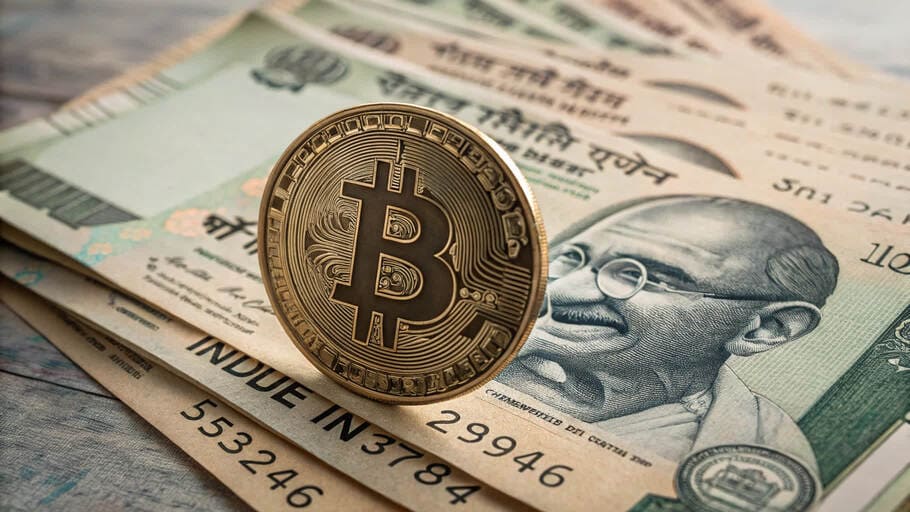
While cryptocurrency offers many advantages, it’s not without risks. Anyone interested in cryptocurrency meaning in Tamil or cryptocurrency meaning in Telugu should also understand the challenges before investing. Knowing the risks helps you make smarter and safer decisions.
Cryptocurrency prices can change dramatically within hours. For example, Bitcoin might be worth ₹3,000,000 one day and drop by 20% the next. This volatility makes crypto both exciting and risky. Investors must be prepared for sudden ups and downs.
Unlike the rupee, cryptocurrencies are not controlled by any central bank or government. In India, crypto is not illegal, but it’s also not officially recognized as legal tender. That means you can trade or invest, but there are no guarantees or protections if something goes wrong. Always check the latest government updates and tax rules.
Crypto wallets are protected by private keys — long, secret passwords. If you forget or lose your private key, you lose access to your money forever. There’s no “reset password” option. This is why experts recommend backing up your keys safely, preferably offline.
The crypto world has many real opportunities, but also scams. Fraudulent websites, fake coins, and Ponzi schemes often appear online. Be cautious of anyone promising “guaranteed profits” or “risk-free returns.” Always research before investing. Platforms like BitTrade AI (https://bittrade-ai.com/) help users recognize legitimate projects and avoid fraud through smart AI-based analysis.
Some beginners find crypto confusing at first. Terms like blockchain, wallet address, or decentralized network may sound complex. But with the help of educational content — such as cryptocurrency PPT materials, Tamil or Telugu tutorials, and beginner courses — anyone can learn step by step. The key is to start small and stay informed.
In India, income from cryptocurrency trading is taxable. The government requires investors to declare profits and pay a specific tax percentage. Not following these rules may lead to penalties. Always consult financial experts or trusted platforms for correct guidance.
In short, cryptocurrencies are powerful tools, but they come with responsibilities. You must learn how to protect your wallet, research projects carefully, and never invest more than you can afford to lose. As the Hindi phrase “cryptocurrency kya hoti hai” reminds us — understanding comes before investing.
Educational platforms like BitTrade AI (https://bittrade-ai.com/) are helping Indian users reduce risks by teaching safe trading habits and providing real-time data on market changes.
Now that we understand the basics and the risks, let’s look at the most popular cryptocurrencies and what they are used for. Knowing these examples will help you connect the idea of cryptocurrency meaning in Tamil and cryptocurrency meaning in Telugu with real-world applications.
Bitcoin was the first cryptocurrency, launched in 2009. It was created to work as digital cash — money that you can send anywhere without a bank. Many people use it as a store of value, similar to gold, because only 21 million Bitcoins can ever exist.
Ethereum is not just money. It’s a platform that allows developers to build smart contracts and decentralized apps (dApps). These apps run automatically without middlemen. Ethereum is like the brain of the crypto world — powering many new coins and innovations.
BNB is used mainly on the Binance exchange, one of the world’s largest crypto trading platforms. It helps users save on transaction fees and access special investment programs.
Ripple is designed for banks and payment networks. It allows faster and cheaper international transfers than traditional systems like SWIFT. Many financial institutions test it for global remittances.
Solana focuses on speed and scalability. It can process thousands of transactions per second, making it ideal for gaming and NFT projects.
Here’s a simple comparison table to make it easier to remember:
| Cryptocurrency | Main Purpose | Example Use |
|---|---|---|
| Bitcoin (BTC) | Digital money | Peer-to-peer payments |
| Ethereum (ETH) | Smart contracts & dApps | DeFi, NFTs, decentralized apps |
| Ripple (XRP) | Banking transfers | Cross-border payments |
| Binance Coin (BNB) | Exchange utility | Trading fee discounts |
| Solana (SOL) | High-speed network | Gaming and blockchain projects |
These cryptocurrencies show how diverse the blockchain ecosystem has become. Each one serves a different purpose — some for transactions, some for smart apps, others for innovation or investments. Understanding their uses helps you see why people value crypto beyond just buying and selling coins.
Through educational tools and data tracking, BitTrade AI (https://bittrade-ai.com/) helps users monitor these currencies, compare their performance, and make informed decisions. Whether you’re a student preparing a cryptocurrency PPT or a beginner trader, having this knowledge gives you a strong foundation.
Learning about cryptocurrency is now easier than ever in India. As more people search for cryptocurrency meaning in Tamil and cryptocurrency meaning in Telugu, schools, colleges, and online platforms are introducing crypto education in simple, local languages. This makes complex ideas more understandable for beginners and students.
Several universities and tech institutes have started offering courses that explain blockchain and cryptocurrency. These programs use simple presentations — often in the form of cryptocurrency PPT slides — to teach how digital money works, how transactions happen, and why blockchain is important for the future economy.
Students in Tamil Nadu, Telangana, and Andhra Pradesh are increasingly exploring crypto as a part of finance, technology, or business studies. Teachers use real-world examples, like Bitcoin payments and crypto wallets, to make the lessons practical and relevant.
YouTube has become one of the biggest learning platforms for crypto in India. There are hundreds of Tamil and Telugu channels explaining cryptocurrency kya hoti hai (what cryptocurrency is) in friendly and relatable language. Many channels show step-by-step tutorials on how to open a wallet, buy Bitcoin, and trade safely.
People now use cryptocurrency not only for trading but also for learning digital finance. Freelancers get paid in Bitcoin, students invest small amounts to test their understanding, and small businesses start accepting crypto payments online. This slow but steady adoption shows how digital money is becoming part of daily life.
To make the learning process smoother, BitTrade AI (https://bittrade-ai.com/) offers educational dashboards, AI-guided lessons, and practice tools. These resources help beginners learn safely and confidently before handling real funds. The platform’s goal is to make crypto education accessible to everyone — no matter the language or technical background.
Cryptocurrency has started influencing local culture and digital habits in Tamil and Telugu-speaking regions. What was once seen as a complex concept is now entering mainstream conversations — from news programs to social media discussions and even family chats. Understanding cryptocurrency meaning in Tamil and cryptocurrency meaning in Telugu helps people connect modern technology with their everyday life.
Tamil and Telugu media have begun explaining crypto concepts in simple, relatable terms. TV channels and online newspapers describe it as digital nanayam or kriptokarensi — meaning “digital money.” They publish guides about safe investing, market updates, and how blockchain is reshaping jobs and finance in India.
Articles in regional outlets such as “Tamil Economic Times” and “Telugu Samayam” translate global crypto trends into local languages. This makes the topic accessible to people who prefer reading in their mother tongue rather than English.
Online communities are also driving crypto awareness. Facebook groups, Telegram channels, and local forums in Tamil and Telugu discuss price updates, new coins, and investment strategies. Members share cryptocurrency PPT files and explain crypto basics to newcomers. These communities often support each other by clarifying doubts and sharing news about government regulations or scams to avoid.
In both Tamil Nadu and Andhra Pradesh, the younger generation has embraced crypto as a symbol of progress and digital freedom. Many young professionals see it as a bridge to global opportunities — whether through remote work, online business, or international investment. Parents and older generations are also becoming more open, especially as they see trusted local influencers explaining cryptocurrency kya hoti hai in simple ways.
This cultural shift shows how digital finance is no longer limited to English-speaking users. As people learn about cryptocurrency in their own language, they feel more confident participating in the digital economy.
Platforms like BitTrade AI (https://bittrade-ai.com/) are contributing to this awareness by supporting multilingual education. They provide content and training materials tailored to Indian users, ensuring that everyone — from Chennai to Visakhapatnam — can learn, trade, and grow safely in the crypto space.

The future of cryptocurrency in India looks promising but also challenging. As technology evolves and people become more aware of cryptocurrency meaning in Tamil and cryptocurrency meaning in Telugu, the country is slowly preparing for a digital finance revolution. Tamil Nadu and Andhra Pradesh, two tech-driven states, are expected to play a major role in this transformation.
India’s government is taking a cautious yet forward-looking approach. While cryptocurrencies are not officially recognized as legal tender, trading and investment are allowed under certain conditions. The government has also introduced taxes on crypto earnings to maintain transparency and prevent misuse.
At the same time, India is working on its own official digital currency — the Digital Rupee (CBDC). This government-backed cryptocurrency will make digital payments faster and safer. It shows how the idea of blockchain is being adopted within the country’s financial system itself.
In the coming years, understanding cryptocurrency will become as important as knowing how to use a smartphone or bank app. Schools and training centers are expected to include crypto basics in their curriculum. Materials like cryptocurrency PPT presentations and Tamil/Telugu video lectures will play a key role in this learning process.
Educational platforms such as BitTrade AI (https://bittrade-ai.com/) are already ahead of this curve. They use AI-powered learning modules to teach trading, blockchain technology, and risk management in an easy-to-understand format. This kind of education will prepare millions of Indians to participate confidently in the digital economy.
The rise of blockchain startups, crypto exchanges, and fintech companies in cities like Chennai, Hyderabad, and Bengaluru is creating new jobs. Roles like blockchain developer, crypto analyst, and financial educator are in high demand. As local talent grows, India could become a global hub for blockchain innovation.
Regional languages will remain crucial. When people understand crypto concepts in their native tongue — whether Tamil, Telugu, or Hindi — they feel empowered to explore it further. This linguistic inclusivity will help more citizens embrace digital assets responsibly and confidently.
In short, the crypto future in India depends on balance — combining innovation, education, and regulation. With the right knowledge and tools, the Tamil and Telugu regions can become leaders in digital finance adoption.
Cryptocurrency is more than just a new kind of money — it’s a global change in how we think about value, trust, and technology. For people in India, especially in Tamil and Telugu-speaking regions, understanding crypto in their own language is the key to joining this digital revolution confidently.
When you know cryptocurrency meaning in Tamil or cryptocurrency meaning in Telugu, the whole concept becomes clearer. You understand that it’s not magic or gambling — it’s simply digital currency powered by blockchain technology. This awareness allows you to make smart choices, avoid scams, and explore the opportunities that crypto brings.
Learning about cryptocurrency also bridges the gap between local communities and global finance. A student in Chennai can study blockchain, a developer in Hyderabad can build apps on Ethereum, and a small business owner in Coimbatore can accept payments in digital currencies. The future belongs to those who understand the tools shaping it.
As the Hindi phrase “cryptocurrency kya hoti hai” reminds us, knowledge is the first step. Once we translate complex technology into simple local language, we make it accessible to everyone — from tech experts to everyday users.
Platforms like BitTrade AI (https://bittrade-ai.com/) continue to make this possible. By offering clear education, AI-driven trading support, and multilingual learning materials, they help Indians navigate the crypto world safely and intelligently.
In conclusion: Cryptocurrency is not just the future of money — it’s the language of the digital age. And understanding it in Tamil, Telugu, or any Indian language means opening the door to financial freedom and innovation for all.